That dreaded question still catches senior candidates out because most advice on weaknesses to say in an interview is stuck at the level of “I work too hard” or “I’m a perfectionist”. Hiring leaders aren’t fooled by that. They want to hear whether you understand your own operating style, where it creates friction, and how you manage it in a real business setting.
For HR, IT, and Operations leaders in Microsoft 365 environments, the bar is even higher. You’re often interviewing for roles that touch sensitive employee data, governance, automation, change management, and systems such as Dynamics 365, Power Platform, Dataverse, Power BI, and Microsoft Entra ID. A weak answer sounds rehearsed. A strong one sounds specific, commercially aware, and grounded in operational delivery. A strong answer isn’t a confession and it isn’t theatre. It’s a credible professional trade-off. You name a real limitation, explain where it shows up, and show the controls you’ve built around it. That’s what mature leadership sounds like.
One area many generic interview guides miss is compliance-heavy work in the UK. Advice rarely reflects the pressures faced by candidates in regulated HR and IT roles, even though ONS Labour Market Overview Q4 2025 figures cited in this analysis of interview weaknesses indicate that 28% of mid-market firms reported hiring delays due to inadequate Right to Work verification skills among candidates, and that challenge had risen from the previous year. If your work involves GDPR, Right to Work, auditability, or Microsoft-based HR platforms, your answer should reflect that environment.
If you also need help with how to answer other common interview questions like “Tell me about yourself”, sort that out alongside your weakness answer. The two should sound like they came from the same person.
1. Perfectionism in system implementation

Perfectionism is overused in interviews, but it can work if you strip out the cliché and describe the actual risk. In technology and HR transformation, perfectionism shows up as over-design. A leader keeps refining workflows, dashboards, permissions, or integrations long after the business has what it needs for go-live.
That’s a genuine weakness. It delays delivery. It can frustrate stakeholders. It can also be valuable when the work touches payroll, employee records, identity controls, or GDPR-sensitive data.
How to say it well
Say something like this:
I can spend too long refining a system design in critical situations, especially around data quality and compliance. Earlier in my career that sometimes meant I held onto detail for too long. I’ve got better at setting acceptance criteria early and using phased delivery, so the business gets a solid first release without waiting for every enhancement.
That works because it sounds like a leader who’s lived through implementation pressure. It also avoids the usual trap of pretending perfectionism is only a virtue.
A credible example helps. An HR systems lead might explain that they once kept adjusting AI CV parsing rules because they wanted cleaner candidate scoring before launch. A CIO might admit they pushed for exhaustive security testing before enabling Microsoft Entra ID single sign-on. An analytics lead might say they spent too long polishing Power BI dashboards that were already good enough for executive use.
What works and what doesn’t
What works:
- Name the business impact: Explain that over-refinement can slow release schedules or decision-making.
- Show control mechanisms: Mention phased rollouts, sign-off thresholds, and time-boxed testing.
- Tie it to the role: In HR tech, attention to detail matters because mistakes sit in live employee records, workflows, and permissions.
What doesn’t work:
- Sounding proud of the problem: If you imply deadlines are secondary, you’ll worry the interviewer.
- Using vague language: “I just care too much” isn’t believable.
- Ignoring trade-offs: Strong candidates admit that quality without pace can still be poor delivery.
Practical rule: If your weakness answer doesn’t include how you stop the weakness causing operational drag, it isn’t finished.
For Microsoft-centred organisations, this answer lands well when you connect it to implementation discipline. Hubdrive’s HR Management for Microsoft Dynamics 365 supports broad hire-to-retire processes, but senior leaders still need to avoid building every possible refinement into phase one. Good implementation judgement is knowing what must be right now and what can wait.
2. Limited experience with specific technologies

Senior people often dodge this one because they think admitting a tool gap makes them look weak. In practice, the opposite is true. If the role involves Power Platform, Dataverse, AI-assisted HR tooling, or modern Right to Work workflows, pretending you already know everything is far more damaging than stating clearly where you’re still building depth.
This is one of the more insightful weaknesses to say in an interview if you frame it around learning velocity rather than lack.
The right framing
A good version sounds like this:
I haven’t yet had hands-on ownership of every tool in the Microsoft HR ecosystem, particularly some newer automation and AI-assisted features, but I learn enterprise platforms quickly and I’m deliberate about closing gaps before they become delivery risks.
That answer works because it’s honest and controlled. It also reflects the nature of modern transformation work. Many strong HR and IT leaders come from adjacent systems and then step into Dynamics 365, Dataverse-native solutions, or AI-enabled processes later.
One underserved angle is AI-linked compliance tooling. The same source cited earlier notes that post-Brexit adoption of AI-assisted Right to Work tools in UK mid-market firms was projected to grow significantly, leaving many candidates unsure how to admit they’ve got limited hands-on experience while still showing they’re coachable and commercially useful. That’s exactly where a mature learning answer helps.
How to prove it isn’t empty
Use evidence from your behaviour, not made-up metrics.
- Transferable foundation: You may not have led a Power BI workforce analytics programme, but you’ve already handled data governance, stakeholder reporting, and process redesign.
- Structured learning: Point to formal development, such as a personal improvement plan for building new capabilities.
- Relevant context: If you’ve moved between HRIS platforms, payroll systems, CRM environments, or workflow tools before, say so directly.
A strong scenario would be an HR director moving into a Dataverse-based HR environment and saying that while they haven’t configured every module personally, they understand process ownership, compliance design, and adoption planning. Another would be an Operations leader who hasn’t yet used AI-assisted expenses but has redesigned approval flows and knows where automation saves time and where control points must stay manual.
What fails is fake fluency. Interviewers can spot it quickly, especially in technical panels.
The best senior candidates don’t pretend to know every feature. They show they know how to get competent fast, ask the right questions, and protect delivery while learning.
3. Difficulty delegating

Some of the most dependable leaders struggle to delegate. They know the risks, they know the standards, and they know that a missed step in HR or IT can create expensive consequences. So they keep too much in their own hands.
That’s understandable. It’s still a weakness.
In an interview, this answer works best for candidates whose reputation is built on accountability. HR directors, programme leads, CIOs, and Operations managers often score well with it because it sounds real. The key is showing that you’ve learned the difference between ownership and control.
A version that sounds credible
Try this structure:
I’ve had to work on delegation. My default is to stay close to critical work, especially where compliance, employee data, or executive visibility is involved. That helps with quality, but it can create bottlenecks. I’ve become more disciplined about defining clear ownership, setting review points, and letting people run with delivery.
That answer has the right balance. It admits friction without sounding chaotic.
A realistic example would be an HR transformation lead who used to review every workflow decision in a Dynamics 365 implementation instead of trusting the project team. Or a CIO who checked every GDPR-related design point rather than setting an audit framework and escalation process.
What improvement looks like
The best candidates can explain what changed. For example:
- Clear role design: Use RACI thinking so everyone knows who decides, who contributes, and who signs off.
- Repeatable controls: Build checklists, documented processes, and spot-audit routines instead of hovering over every task.
- Team development: Treat delegation as capability building, not risk dumping.
If you want a sensible way to support that answer, point to tools such as 360 feedback review practices that help leaders understand when involvement becomes overreach. You can also sharpen the operational side with guidance on how to delegate tasks effectively.
A strong real-world scenario is an Operations leader who once insisted on reviewing every configuration change in a workforce process, then shifted to documented approval gates and exception-based oversight. That’s senior behaviour. It shows trust with controls.
What you mustn’t say is, “I struggle to delegate because nobody does it as well as I do.” Even if you’ve thought it, don’t say it. It sounds arrogant and makes you a scaling risk.
4. Impatience with slow processes
This one is effective for transformation roles because it reveals drive, not drift. Good HR and IT leaders often get frustrated by sluggish approvals, duplicated admin, and old manual routines that everyone knows should have been automated years ago.
Used badly, this answer makes you sound disruptive in the wrong way. Used well, it positions you as someone who pushes for sensible pace.
Keep the frustration pointed at process, not people
A strong answer sounds like this:
I can get impatient with slow, manual processes when the better route is obvious. Earlier in my career I was sometimes too quick to push for change before everyone was ready. I’m better now at pairing urgency with stakeholder alignment, especially where governance steps matter.
That’s persuasive because it shows discernment. You’re not saying all delay is bad. You’re saying some delay is waste and some is necessary control.
Examples that work well in interview include:
- HR automation: You pushed to replace manual job posting with automated publishing across channels.
- Identity and access: You wanted Microsoft Entra ID single sign-on in place faster because password friction and fragmented access were creating avoidable support issues.
- Onboarding workflows: You saw straightforward onboarding tasks being handled through email chains and spreadsheets and wanted Power Apps or Dynamics-based workflows introduced sooner.
Show that you know where caution belongs
This answer improves when you make one thing explicit. Some processes should be fast. Others should be careful.
That distinction matters in UK HR and compliance-heavy environments. The source already cited notes that a significant share of HR professionals reported being over-cautious in data handling to avoid GDPR-related risk. That gives you a useful interview angle. You can say you’ve learned to separate avoidable bureaucracy from controls that protect the organisation.
A concise version is often best:
- Accelerate routine work: Standard approvals, repetitive admin, document routing.
- Slow down critical controls: Right to Work checks, data access permissions, retention policies, audit trails.
- Use phased delivery: Launch core value first, then optimise.
This weakness lands well for candidates entering businesses that want modernisation but are wary of reckless change. It tells the interviewer you won’t tolerate waste, but you also won’t bulldoze important safeguards.
5. Strong opinions on best practice
Experienced leaders usually have convictions. That’s not the problem. The problem is when conviction hardens into rigidity.
This is one of the more insightful weaknesses to say in an interview because it sounds like a real leadership issue, not a graduate-level filler answer. It’s especially useful if you’ve spent years building opinions on cloud strategy, governance, talent processes, HRIS design, reporting standards, or implementation method.
Why this answer works
When phrased, it tells the interviewer three things. You’ve built expertise. You care about standards. You know expertise can become a blind spot.
A good answer might be:
I do have strong views on what good practice looks like, in systems and process design. That helps when a team needs direction, but I’ve learned that I need to test my assumptions against the business context rather than assuming my preferred method is always the best fit.
That sounds senior because it admits influence and limitation at the same time.
Consider the common scenarios. An IT leader may have spent years preferring on-premises control and now needs to lead within a Microsoft 365-first environment. An HR director may be sceptical about AI CV parsing because they trust manual candidate review more. A compliance lead may favour legacy verification routines and need convincing that automated workflows can still support governance.
Make flexibility part of the answer
This weakness only works if you show adaptation.
Use a short contrast:
- Old pattern: I pushed for the model I trusted most.
- Current approach: I still bring a recommendation, but I test it with pilots, stakeholder input, and practical constraints.
- Leadership lesson: Best practice isn’t a religion. It’s a starting point.
That final point matters in Dynamics 365 and Power Platform projects. Organisations differ in process maturity, governance appetite, internal capability, and pace of change. A rigid leader can be just as risky as an indecisive one.
“Strong views are useful. Untested views cause problems.”
If you use this answer, keep your tone calm. Don’t sound as though you’re reluctantly tolerating lesser minds. The interviewer needs to hear coachability, not superiority.
6. Anxiety about data security and compliance
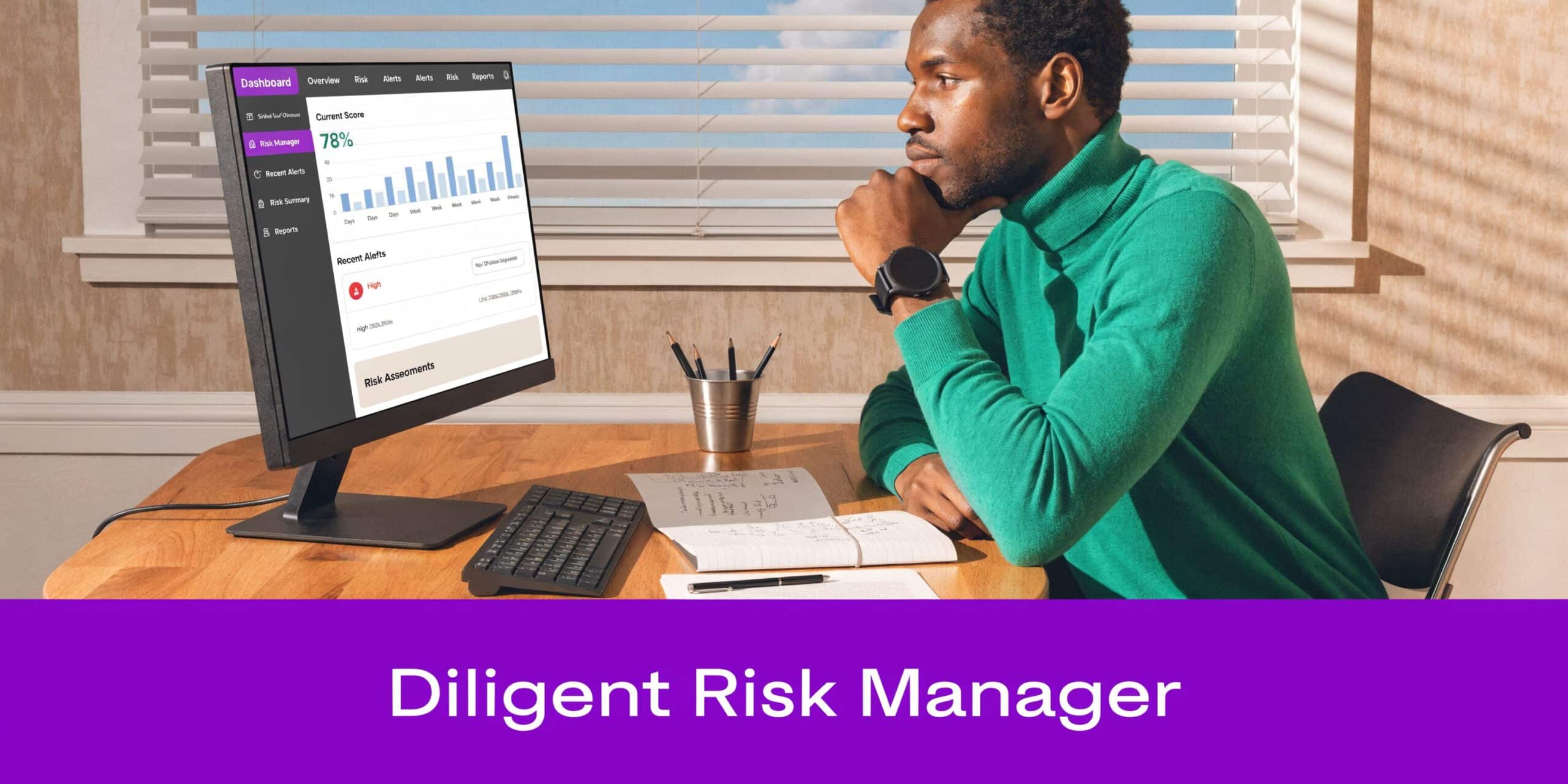
For HR and IT leadership roles, this is one of the strongest modern answers available because it reflects actual responsibility. If you manage employee records, Right to Work data, identity access, retention policies, or integrations, a degree of caution is appropriate.
The trick is to present it as disciplined risk awareness, not paralysis.
A strong version for compliance-heavy roles
You might say:
I’m naturally cautious with employee data, security design, and compliance-sensitive change. That can mean I ask more questions than some people expect before approving a new process or system change. I’ve learned to turn that instinct into a structured risk review rather than letting it slow down every decision.
That answer sounds practical. It’s particularly relevant in HR transformation because the work often sits at the intersection of legal risk, employee trust, and operational delivery.
The source already referenced highlights an underserved issue in interview guidance. Candidates in regulated UK sectors are rarely told how to frame compliance-oriented weaknesses authentically, even though many hiring leaders value that risk awareness. That matters if the role involves GDPR-heavy workflows, Right to Work validation, or Microsoft-based HR environments secured through Entra ID.
Show that caution now has a method
Candidates often go wrong at this point. They explain the worry but not the system.
Use practical detail:
- Decision framework: You classify changes by risk, not by personal comfort level.
- Control design: You rely on permissions, audit trails, retention settings, and documented approvals.
- Reference point: You build confidence through governance checklists such as a GDPR compliance checklist.
A credible scenario would be a People Systems lead who was hesitant about moving sensitive HR processes into a cloud-based model, then became comfortable once they understood tenant ownership, identity controls, and access design. Another would be a compliance manager who checked the treatment of facial-recognition clocking data before approving rollout.
What doesn’t work is making yourself sound unable to decide. Interviewers want a diligent risk manager, not someone who freezes.
Caution is a strength when it produces better controls. It becomes a weakness when it replaces judgement.
7. Difficulty accepting organisational politics
Technical, operational, and compliance-focused leaders often struggle with this more than they admit. They’d rather make the right decision quickly than spend weeks navigating personalities, hidden agendas, and consensus rituals.
That instinct is understandable. In some cases, it’s admirable. It can still derail your effectiveness if you treat stakeholder management as optional.
The direct answer that lands
Try this:
I prefer direct, transparent decision-making, and I’ve found organisational politics frustrating. Earlier in my career I could be too blunt when I thought a process or proposal was weak. I’m better now at separating the message from the method, so I still stay honest but bring people with me.
That’s a solid leadership answer. It acknowledges a real interpersonal challenge without sounding evasive.
In a Dynamics 365 or Power Platform environment, this matters because few major changes sit in one function alone. HR wants usability. IT wants security. Finance wants control. Operations wants speed. A leader who ignores coalition-building usually creates resistance, even when they’re technically right.
What mature handling looks like
The strongest candidates explain how they’ve adjusted.
- Still direct: You don’t hide concerns or water down risk.
- More consultative: You surface objections early, gather views, and build support before formal decision points.
- Change-aware: You recognise that adoption depends on trust as much as logic.
A practical example would be an IT leader who once challenged a stakeholder’s preferred solution publicly because the data model was poor, then learned to handle the same disagreement through pre-meetings, evidence sharing, and quieter alignment. Another would be an Operations manager who wanted to push an automation live quickly but now involves HR, compliance, and line managers earlier because adoption improves when people feel heard.
This answer is particularly effective for senior roles because it shows maturity without pretending you enjoy politics for its own sake. Most experienced interviewers know that very few strong operators do.
Interview Weaknesses: 7 Reframed Strengths
| Trait (Framed) | Implementation complexity | Resource requirements | Expected outcomes | Ideal use cases | Key advantages |
|---|---|---|---|---|---|
| Attention to Detail (Perfectionism) | High, detailed specifications and extended QA cycles | More time, QA resources, phased rollouts | Very high quality and compliance, slower delivery | Regulated HR system builds (GDPR, Right to Work) | Strong data accuracy, compliance, stakeholder confidence |
| Continuous Learner (Limited Technology Experience) | Moderate, initial learning curve for new platforms | Training, mentorship, vendor/partner support | Growing capability, slower early productivity | Teams transitioning to Power Platform, Dataverse, AI tools | Adaptability, openness to best practice adoption |
| High Ownership and Accountability (Difficulty Delegating) | Moderate–High, centralized decision-making can bottleneck projects | Senior leader time, limited distributed capacity | High reliability and control, limited scalability | Critical compliance projects needing single accountability | Reliable stewardship, reduced risk of oversight gaps |
| Bias for Speed and Efficiency (Impatience with Slow Processes) | Variable, rapid approaches reduce timelines but need governance | Automation tools, agile teams, change management | Faster time-to-value, potential governance trade-offs | Organisations prioritising rapid digital transformation | Accelerates delivery, identifies and removes inefficiencies |
| Passionate Advocate for Excellence (Strong Opinions on Best Practices) | Moderate, enforces standards which can slow experimentation | Evidence collection, pilot programmes, stakeholder alignment | Consistent quality, possible resistance to novel approaches | Situations demanding proven approaches and consistency | Evidence-based decisions, maintains high standards |
| Diligent Risk Manager (Anxiety About Data Security) | High, extensive validation and audits required | Security expertise, compliance checks, certifications | Low risk of breaches, slower adoption of new tech | Highly regulated environments and sensitive HR data stores | Strong GDPR and security posture, legal/reputational protection |
| Principled and Direct Communicator (Difficulty with Organisational Politics) | Moderate, clear decisions but may require extra stakeholder work | Stakeholder engagement, communication coaching | Transparent outcomes, possible friction with allies | Cross-functional implementations needing clarity and integrity | Honest communication, merit-focused decision-making |
Turn Your Weakness into your next big opportunity
The “greatest weakness” question gives away more about seniority than many candidates realise. Weak answers are polished, generic, and defensive. Strong answers are specific, proportionate, and operational. They describe a real limitation, explain the business risk, and show what the candidate has done to manage it.
That’s why the best weaknesses to say in an interview aren’t random personality traits. They’re leadership trade-offs. Attention to detail can become delay. Ownership can become control. Speed can become impatience. High standards can become rigidity. Caution can become over-checking. Directness can become political friction. The interviewer isn’t expecting perfection. They’re listening for self-awareness and judgement.
For HR, IT, and Operations leaders, your answer should also reflect the environment you work in. If your world includes Dynamics 365, Dataverse, Power Platform, Microsoft Entra ID, GDPR, Right to Work, automated workflows, or sensitive employee data, then your weakness answer should sound like it belongs in that world. Generic interview advice won’t do that for you.
There’s also a broader hiring point here. Organisations don’t need leaders who pretend to be flawless. They need leaders who know where they can create drag, risk, or tension, then put practical controls around it. That’s what makes an answer believable. It also makes you hireable.
The same principle applies to HR transformation itself. Good systems don’t come from buzzwords. They come from honest process design, sensible governance, and tools that fit the organisation properly.
We are DynamicsHub.co.uk. Experience HR transformation built around your business. Hubdrive’s HR Management for Microsoft Dynamics 365 is the premier hire-to-retire solution, more powerful, more flexible, and more future-ready than Microsoft Dynamics 365 HR. For organisations that need recruiting, onboarding, time and attendance, performance, compliance, and employee data management on a Microsoft foundation, the difference is practical. Native Dataverse capability, integration across Microsoft 365, and UK-focused support matter.
If you’re preparing for leadership interviews, sharpen your message. If you’re shaping the systems those leaders will inherit, choose a platform that can support compliance, scale, and day-to-day usability without forcing workarounds.
Ready to transform your organisation's HR capabilities? Phone 01522 508096 today, or send us a message at https://www.dynamicshub.co.uk/contact/
DynamicsHub helps UK organisations build modern HR operations on Microsoft technology. If you’re reviewing HR transformation, Dynamics 365 capability, Right to Work processes, or broader people systems design, speak to DynamicsHub about a solution built around your business.